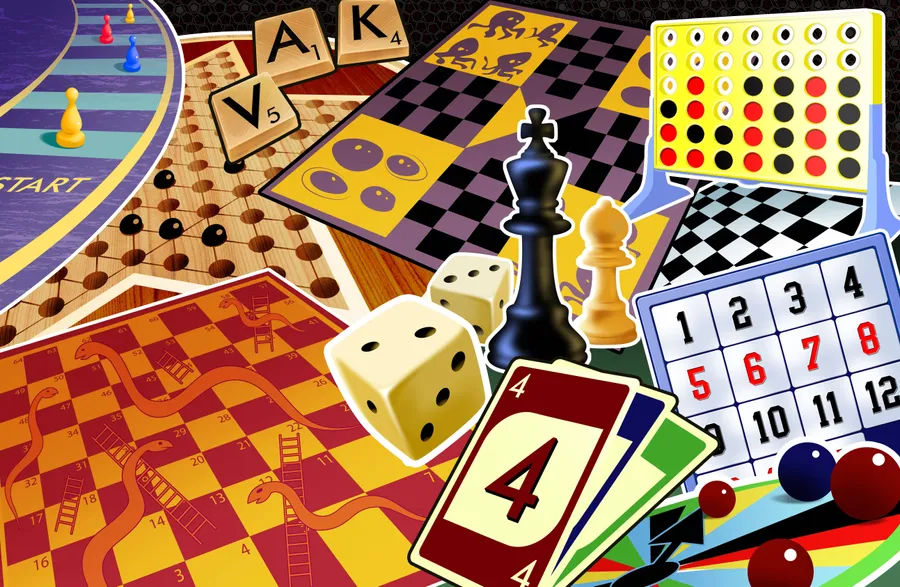
In an era dominated by rapid technological advancement and complex decision-making, the ability to think critically and solve problems efficiently has scr2u become more valuable than ever. While schools and workplaces emphasize these skills, one often-overlooked training ground is much closer to home: indoor games.
From classic board games to modern strategy puzzles, many indoor games are naturally designed to engage the brain, challenge assumptions, and strengthen cognitive agility. They don’t just provide entertainment—they create real opportunities to develop and practice essential life skills.
In this article, we’ll explore how indoor games help nurture problem-solving and critical thinking, the cognitive benefits for different age groups, and specific games that are particularly effective in sharpening the mind.
Why Are Problem-Solving and Critical Thinking Important?
Before diving into games, let’s quickly review what these terms mean and why they matter:
Problem-solving involves identifying a challenge and figuring out a practical solution.
Critical thinking is the ability to analyze information, weigh evidence, and make reasoned decisions.
These are foundational skills for:
Academic success
Workplace efficiency
Navigating daily life challenges
Making informed decisions
The good news? These skills aren’t just taught in classrooms—they’re learned through experience. And games provide a perfect setting for that.
How Indoor Games Promote Cognitive Growth
- Simulate Real-Life Decision Making
Games create controlled environments where players must make decisions, test hypotheses, and deal with consequences—just like in real life.
Example: In Monopoly, players decide whether to buy property, trade, or save money. Each choice has long-term consequences.
- Encourage Strategy and Planning
Many games require players to anticipate outcomes and plan several moves ahead, just like solving real-world problems.
Example: Chess and Checkers demand foresight, patience, and the ability to revise strategies based on an opponent’s actions.
- Teach Logical Thinking
Games with rules and patterns help players develop logical thinking and deductive reasoning.
Example: Sudoku and Mastermind teach pattern recognition, deduction, and sequencing.
- Build Resilience and Adaptability
Games often throw unexpected challenges at players (like drawing an unlucky card or facing a new twist), forcing them to adapt.
Example: In UNO, players must pivot strategies based on the cards they receive, learning flexibility and quick thinking.
Best Indoor Games for Building Problem-Solving Skills
Here are some indoor games that are particularly effective in nurturing problem-solving and critical thinking in players of all ages.
- Chess
Skills Developed:
Long-term strategy
Anticipation of opponent’s moves
Decision trees
Why It’s Effective:
Every move in chess affects future options, encouraging deep thinking and forward planning.
- Sudoku and Logic Puzzles
Skills Developed:
Pattern recognition
Logical deduction
Sequential reasoning
Why It’s Effective:
Solving puzzles trains the brain to look for clues, eliminate options, and persist through complexity.
- Escape Room Games (Physical or Board-Based)
Skills Developed:
Team-based problem-solving
Creative thinking
Time management
Why It’s Effective:
Players work together under pressure to decode clues, solve riddles, and “escape” in time.
Popular Options: Exit: The Game, Unlock!, or DIY versions at home.
- Jenga (Strategic Version)
Skills Developed:
Spatial awareness
Risk assessment
Patience and precision
Why It’s Effective:
While it may seem simple, advanced play requires careful analysis of structure stability and the consequences of each move.
- Codenames
Skills Developed:
Associative thinking
Clue analysis
Strategic communication
Why It’s Effective:
Players must link words based on clues while avoiding the wrong associations. It encourages lateral thinking and collaboration.
- Clue (Cluedo)
Skills Developed:
Deductive reasoning
Memory retention
Logical elimination
Why It’s Effective:
Players use clues to identify the culprit, weapon, and room. It’s essentially a fun way to teach the scientific method.
- Rubik’s Cube and Similar Puzzles
Skills Developed:
Algorithmic thinking
Pattern memorization
Perseverance
Why It’s Effective:
These physical logic puzzles help improve both memory and fine motor skills while encouraging trial-and-error learning.
- Scrabble
Skills Developed:
Vocabulary and spelling
Strategic word placement
Resource management
Why It’s Effective:
Players must make the best use of their tiles while optimizing score placement—enhancing both linguistic and strategic thinking.
Indoor Games for Different Age Groups
Children (Ages 5–10):
Guess Who? – Encourages logical questioning and deduction.
Zingo – Combines pattern recognition with vocabulary.
Memory Card Games – Boosts short-term memory and focus.
Tweens and Teens (Ages 11–17):
Clue, Set, Blokus – All sharpen strategy, reasoning, and adaptability.
Logic puzzles – Great for developing persistence and independent thinking.
Adults and Professionals:
Chess, Catan, Escape room board games – Require resource management, negotiation, and planning.
The Social Element of Thinking Games
One major advantage of indoor games is that they are social by nature. When people collaborate or compete, they’re also learning to:
Articulate reasoning
Listen to different perspectives
Build consensus or argue effectively
In other words, thinking games also foster communication, empathy, and teamwork—critical components of emotional intelligence.
Tips for Maximizing the Benefits
Rotate Games Regularly: Variety challenges the brain in different ways.
Reflect After Playing: Ask kids or teammates why they made certain decisions and what they would do differently next time.
Encourage Creative Rule-Making: Let players tweak rules or invent their own games. This boosts innovation and ownership.
Play as a Team: Co-op games build collaboration skills while still engaging the brain.
Conclusion: Play Smarter, Think Sharper
Indoor games aren’t just a cure for boredom—they’re cognitive workouts disguised as fun. By solving puzzles, developing strategies, and analyzing outcomes, players naturally hone critical thinking and problem-solving skills that benefit them in every area of life.
 Site Title
Leave a comment